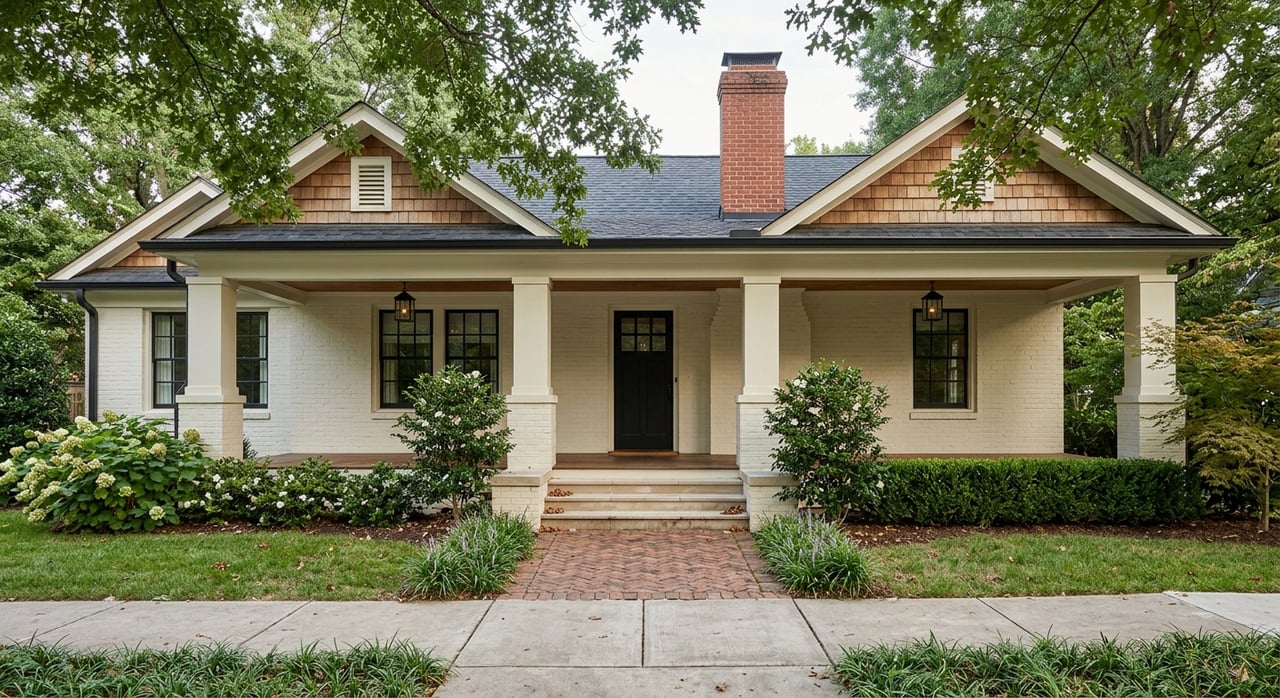
If you are trying to understand where Virginia Highland fits in Atlanta’s intown market, the short answer is this: it offers a distinctive mix of historic homes, real neighborhood walkability, and steady buyer demand that puts it above the citywide baseline. For many buyers, that combination feels hard to replicate. If you are comparing intown neighborhoods or thinking about a future move, it helps to see how Virginia Highland stacks up in price, housing style, and daily lifestyle. Let’s dive in.
Virginia Highland’s intown position
Virginia Highland sits on Atlanta’s eastside intown corridor, about two miles north of downtown. Its boundaries are generally described as Ponce de Leon Avenue to the south, the BeltLine and Piedmont Park/Midtown to the west, Amsterdam Avenue and Morningside-Lenox Park to the north, and Druid Hills and Atkins Park to the east.
That location matters because it places Virginia Highland squarely in Atlanta’s classic neighborhood-first intown pattern. It is not a downtown high-rise district, and it does not function like a suburban market. Instead, it is part of the eastside network of established neighborhoods where architecture, block-by-block character, and local business districts play a major role in buyer appeal.
Virginia Highland also carries a strong preservation identity. The neighborhood is listed as a historic district on the National Register, and the civic association remains active in planning, preservation, safety, schools, and community building. For buyers and sellers alike, that helps explain why Virginia Highland feels both established and closely watched.
What makes Virginia Highland different
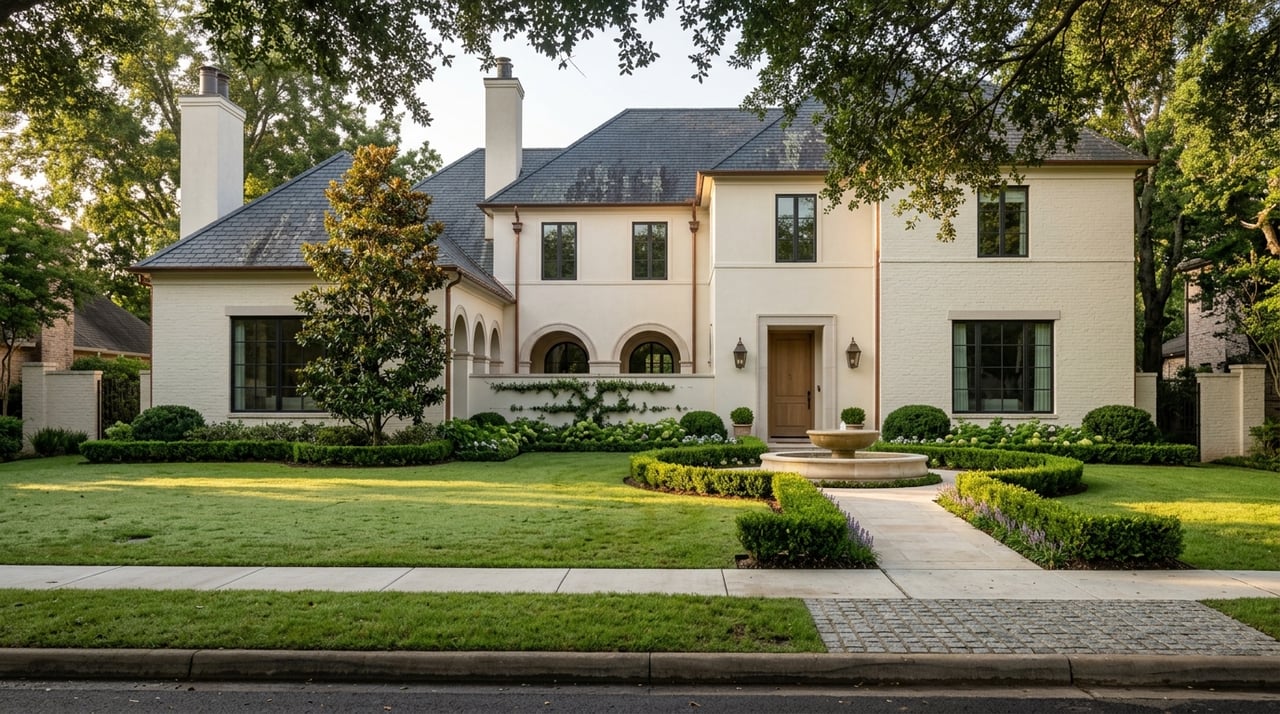
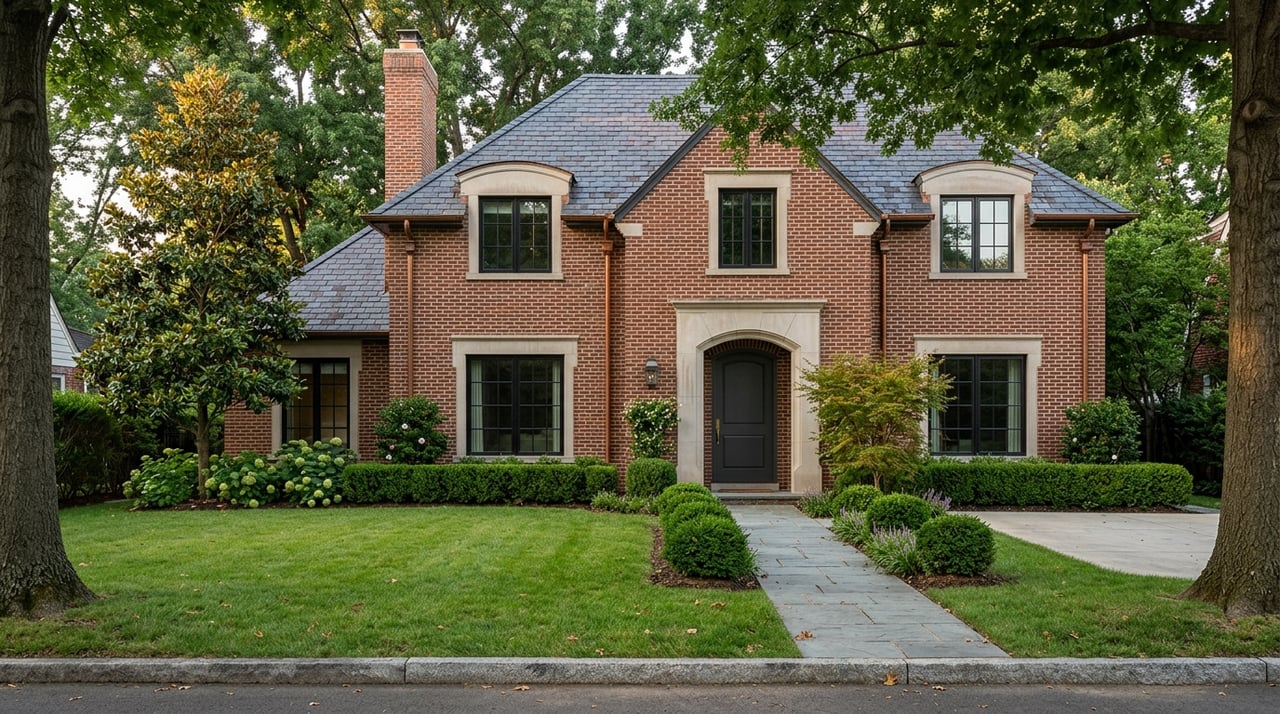
One of Virginia Highland’s clearest market advantages is its housing character. The neighborhood is known for historic bungalows, cottages, and Foursquare houses, with much of the housing stock dating from roughly 1905 through 1936 and broader development continuing into the late 1940s.
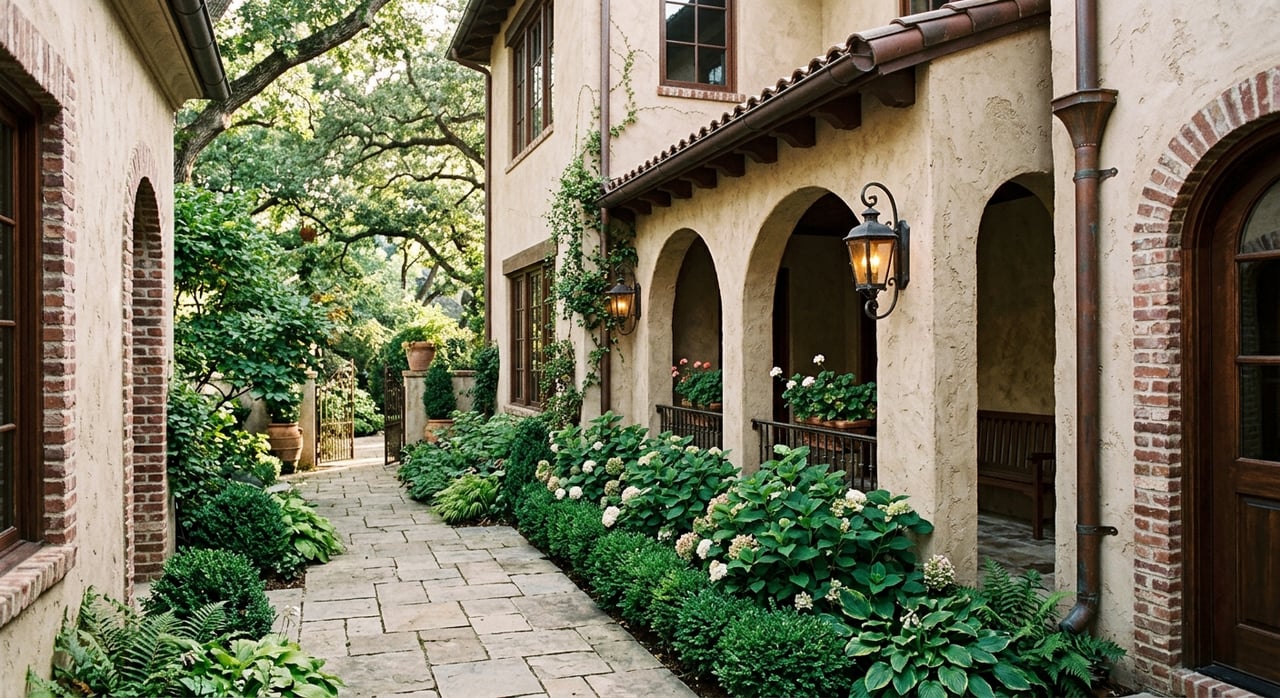
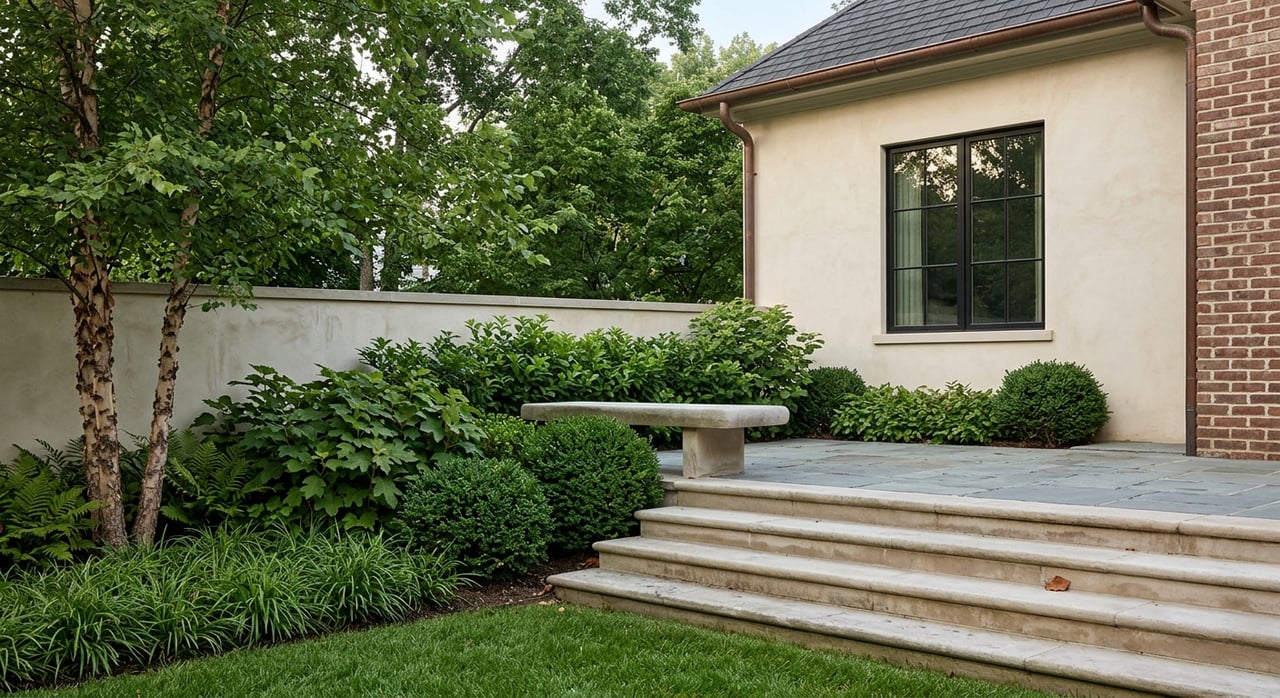
That creates a streetscape that feels very different from denser urban-core areas. You see tree-lined residential blocks, lower-rise homes, and noticeable architectural variety from one street to the next. For buyers who value charm, scale, and original details, Virginia Highland often stands out quickly.
This also shapes how the neighborhood competes within intown Atlanta. In places where condos, newer apartments, or loft-style living dominate, the value proposition often centers on convenience and urban density. In Virginia Highland, the draw is more often a blend of historic architecture, residential feel, and walkable access to local amenities.
How pricing compares in the intown market
Virginia Highland generally sits in a higher intown price band than Atlanta as a whole. As of April 2026, public market snapshots show a median listing price of $448,500, a median sold price of $750,000, and about $406 per square foot, with homes spending roughly 42 days on market and a 100% sale-to-list ratio.
Another public snapshot from March 2026 also reports a $750,000 median sale price, while showing a faster 21-day median time on market and a very competitive score. Since public sites use different methods and property mixes, the most accurate way to read Virginia Highland is not as a neighborhood with one fixed number, but as a high-demand intown market with a broad price range.
For context, Atlanta citywide sits lower, with a median listing price of $379,000, a median sold price of $450,000, and 51 days on market. That comparison makes the overall pattern clear. Virginia Highland tends to trade above the city baseline and often moves faster.
Virginia Highland versus nearby neighborhoods
Buyers often understand Virginia Highland best by comparing it with nearby intown options. While each neighborhood has its own identity, a side-by-side look helps show where Virginia Highland fits.
Compared with Midtown
Midtown generally reads as denser and more transit-oriented. Its housing mix includes a larger share of condominiums, apartments, and loft-style residences, and the area has easier MARTA access.
Virginia Highland feels more residential in form. Its closest MARTA station is Midtown, about 1.5 miles away, so while transit access is still part of the bigger intown picture, Virginia Highland is less defined by rail proximity and more by neighborhood walkability and eastside connectivity.
Compared with Old Fourth Ward and Poncey-Highland
Old Fourth Ward and Poncey-Highland typically sit at lower median listing price points, with recent snapshots around $348,450 and $302,000 respectively. Both are important intown options, especially for buyers focused on urban access and proximity to major eastside destinations.
Virginia Highland usually commands a higher price position than either of those neighborhoods. That premium reflects its historic single-family housing stock, established neighborhood identity, and long-standing appeal among buyers who want a more residential setting without leaving the intown core.
Compared with Candler Park and Inman Park
Candler Park, with a recent median listing price around $408,900, often attracts buyers looking for another established eastside neighborhood with character. Virginia Highland often lands a bit higher, though the two can overlap depending on property type, updates, and exact location.
Inman Park is better understood as a close peer than a simple alternative. Public price snapshots vary, with one showing a median listing price of $647,500 and another showing a median sold price of $707,000. Both neighborhoods offer historic appeal and BeltLine-adjacent lifestyle advantages, so the final choice often comes down to architecture, street feel, and the specific home rather than a simple cheaper-or-pricier comparison.
Compared with Morningside-Lenox Park and Ansley Park
Morningside-Lenox Park and Ansley Park sit higher on the pricing ladder, with recent median listing prices around $1,195,000 and $1,649,950. Those neighborhoods often appeal to buyers seeking larger lots, larger homes, or a more elevated historic price tier.
Virginia Highland typically falls below those enclaves in pricing, which gives it a useful middle position in the intown market. It offers notable character and strong demand, but often at a lower entry point than some of Atlanta’s most expensive historic neighborhoods.
Why buyers stay focused on Virginia Highland
Virginia Highland’s business district is a major part of its identity. The area is known for legacy bars, trendy shops, wellness uses, restaurants, nightlife, and a farmers market, along with community events such as Porchfest and Winterfest.
That matters because “walkable” can mean different things in different neighborhoods. In Virginia Highland, it means you have a true neighborhood commercial district woven into a residential setting. The result feels village-like, but still clearly intown.
The BeltLine connection adds another layer of appeal. The Eastside Trail passes through Virginia Highland and links to destinations including Piedmont Park, Historic Fourth Ward Park, Ponce City Market, and Krog Street Market. For many buyers, that access expands the neighborhood beyond its own streets and makes daily life feel more connected to the broader eastside.
What market tempo looks like here
Virginia Highland tends to show the kind of demand patterns buyers should take seriously. Public market reports describe the neighborhood as balanced in one snapshot and very competitive in another, but both point to a market with limited inventory and brisk absorption.
In practical terms, that means well-positioned homes can attract strong attention. It also means buyers often need to be clear about priorities, especially when they are searching for a certain architectural style, renovation level, or block within the neighborhood.
For sellers, this kind of environment can reward thoughtful pricing and polished presentation. In a neighborhood where homes are rarely interchangeable, details matter, and buyers tend to respond strongly to homes that show well and align with Virginia Highland’s established character.
Who Virginia Highland tends to suit best
Virginia Highland often appeals to buyers who want more than just an address close to downtown. It is especially compelling if you are looking for:
- Historic architecture and older-home character
- A true neighborhood commercial district
- Walkability to restaurants, shops, and local events
- Access to the BeltLine and major eastside destinations
- A residential setting that still feels connected to the city
It can be a strong fit if you value charm and location over a purely modern housing stock. It may also appeal to buyers who want an intown lifestyle without choosing a denser condo-driven environment.
The bottom line on Virginia Highland
In Atlanta’s intown market, Virginia Highland occupies a distinctive middle ground. It is more residential and preservation-minded than denser urban-core neighborhoods, yet more accessible in price than some of the city’s top historic enclaves.
That balance is a big reason the neighborhood remains so recognizable and so competitive. If you want historic homes, meaningful walkability, and an established eastside setting, Virginia Highland continues to hold a strong place in the intown landscape.
Whether you are buying your first intown home, moving across neighborhoods, or preparing to sell a property with character, local context matters. For thoughtful guidance on Virginia Highland and Atlanta’s intown market, connect with Dorsey Alston REALTORS®.
FAQs
What types of homes are most common in Virginia Highland?
- Virginia Highland is best known for historic bungalows, cottages, and Foursquare houses, with much of its housing stock dating from the early 1900s through the 1930s.
How does Virginia Highland compare with Atlanta’s overall market?
- Public market snapshots show Virginia Highland above Atlanta’s citywide baseline on price, with stronger demand patterns and generally faster market tempo.
What does walkability mean in Virginia Highland?
- In Virginia Highland, walkability usually means access to a neighborhood business district with shops, restaurants, nightlife, and seasonal community activity, plus BeltLine connectivity and proximity to major eastside destinations.
How does Virginia Highland differ from Midtown Atlanta?
- Virginia Highland is generally more single-family and neighborhood-oriented, while Midtown is denser, more transit-centered, and more heavily shaped by condos, apartments, and loft-style residences.
Is Virginia Highland one of Atlanta’s more expensive intown neighborhoods?
- Virginia Highland typically sits in a higher intown price band than Atlanta overall, but it usually falls below top-tier historic enclaves such as Morningside-Lenox Park and Ansley Park.
Why is Virginia Highland considered a strong intown option?
- Buyers are often drawn to Virginia Highland for its historic architecture, established neighborhood identity, business district, BeltLine access, and location within Atlanta’s eastside intown corridor.