You have driven past the sign at 130 West Paces Ferry Road hundreds of times. Maybe you took the kids to Swan House once, hosted a rehearsal dinner on the terrace, or brought a visiting cousin to the Cyclorama. Then the museum settled back into the mental category most Buckhead residents keep for it: a place you already know, a place that does not change.
That category is wrong for 2026. The Atlanta History Center reached its 100th anniversary this year, and to commemorate the milestone, the center unveiled six new exhibits throughout the year. The interesting thing is not the birthday. It is the fact that a museum three miles from the Buckhead village center is currently in the middle of the biggest physical reshuffle it has done in a generation, and most of the people who live closest to it are treating it like the same building it was in December.
The one-third of the museum that is not the same building anymore
The centerpiece project is the reason the parking lot has been busier than usual on Thursdays. The complete overhaul and expansion of the museum's Civil War permanent exhibition is transforming roughly one-third of the museum's permanent exhibition space, arriving in two phases: "More Perfect Union: The American Civil War Era" opened July 9, followed by "Hard Hand of War: Soldiers, Weapons, and Mass Production" in October, and together the exhibitions will occupy 15,400 square feet.
The scale is what matters. A third of a museum's galleries does not turn over often. A $16 million investment and decades of research and collection development produced the new exhibit, an expansive, nuanced retelling of the history of the American Civil War and Reconstruction. The curator running it is not new to the material. For Gordon Jones, the Center's senior military historian and curator, the project represents a full-circle moment: Jones was 28 when he arrived at the Atlanta History Center in 1991 to work with the newly donated DuBose collection, and the exhibition he helped create opened in 1996 for the Atlanta Olympics and ran for nearly 30 years.
That thirty-year run is the point. The version most Buckhead residents grew up seeing on school field trips was, by museum standards, ancient. The version opening in stages this year is what replaces it for the next generation.
The fall exhibit that is harder to talk about, and worth the visit anyway
The second half of the centennial arrives in the fall, and it is not a companion piece to the Civil War overhaul. It stands on its own.
"Exile from Georgia: The Cherokee and Muscogee Trail of Tears" will confront a painful chapter in Georgia's history by chronicling how the Cherokee and Muscogee nations were forcibly removed from their ancestral lands in the 1830s and forced to undertake a harrowing journey to present-day Oklahoma; the migration killed thousands. To create the exhibition, the Center sought advisers from both the Cherokee and Muscogee communities, and the exhibition will explain how treaties with the United States government were created and systematically broken, leading to the forced removal, while also exploring the present-day realities of the two nations.
Visitors will enter an immersive theater space to experience the brutality of the Trail of Tears and the resilience shown by those who endured it. If you have taken out-of-town family to the museum before and defaulted to Swan House and the Cyclorama, this is the room to plan around instead.
What actually changed for the kids
For families with young children, the change happened earlier in the year and got less attention than it deserved.
The center opened a new exhibit in its Goizueta Gallery, "The Goizueta Children's Experience," a 5,000-square-foot immersive and interactive bilingual exhibition with the theme "Our Great Big City," featuring several interactive stations for kids to learn about Atlanta's history. Then it did something museums almost never do. It changed the theme.
The Goizueta Children's Experience opened in January 2025 as a new immersive space for young children, and in May the Atlanta History Center changed its theme to celebrate Atlanta sports, debuting a new theme starting May 30 just in time for the 2026 FIFA World Cup. If your last visit was under the original "Our Great Big City" theme, the room your kids remember is not the room they will walk into now.
Beyond the children's gallery, one museum-wide installation is worth planning a slow walkthrough around. Currently on display is an installation called the Atlanta in 100 Objects Museum Wide Exhibition, where across the museum, guests can engage with 100 objects representing Atlanta's history, such as an Atlanta street lamppost from the 1860s. It is designed to be encountered gallery by gallery, not in a single room, which means it rewards the kind of unhurried afternoon most residents can only give a museum they live near.
The campus most Buckhead residents forget is theirs
The exhibits are the news. The reason to actually walk in is the campus, which is under-visited by the people who could walk to it.
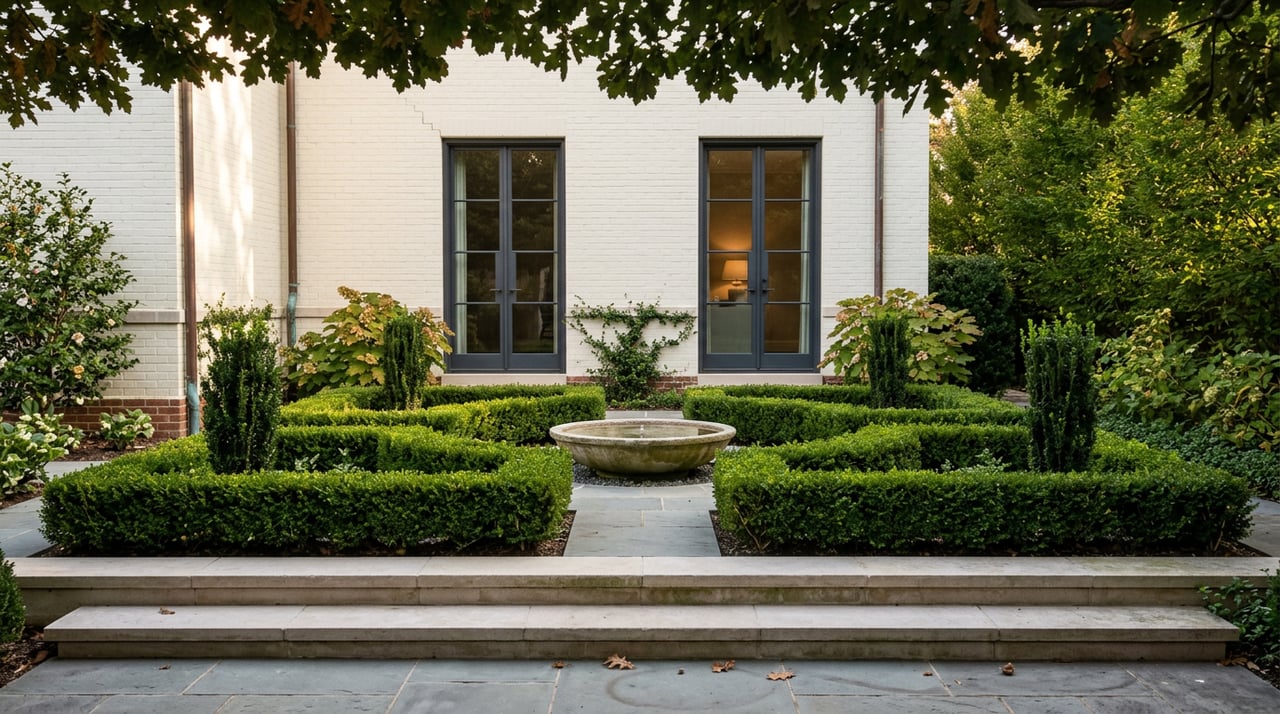
Three historic homes, the 1920s Swan House, the 1860s Smith Farm, and the 1830s Wood Family Cabin, sit among gardens that range from the dramatic Quarry Garden, carved from an old granite quarry, to the lush Frank A. Smith Rhododendron Garden, and a radial walkway system connected by the Quarry Garden Bridge links it all together, making it possible to spend an entire afternoon wandering from gallery to farmstead to woodland trail. At Smith Farm, visitors can explore a working 19th-century homestead complete with heritage-breed sheep, chickens, and vegetable gardens that bring agricultural history to life.
Two campus assets in particular reward residents who keep returning. The Kenan Research Center houses photographs, maps, oral histories, and manuscripts documenting the American South across more than 20,000 linear feet and over 61,000 museum object records, while the Cherokee Garden Library is one of the nation's leading archives on gardening, landscape design, and horticultural history. The Cherokee Garden Library, in particular, is the kind of specialized collection that visiting scholars fly in to use. It sits ten minutes from your front door.
"Atlanta History Center was founded in 1926 to preserve this city's story, and over the past century we've evolved alongside Atlanta itself," said Sheffield Hale, President and CEO of Atlanta History Center. "This centennial isn't about looking back alone. It's about setting the direction for the next 100 years as a trusted place for clear, even-handed, evidence-based history for the place we call home."
One earlier centennial moment is worth noting because it explains why the museum's fall lineup carries the weight it does. During its centennial year, the Atlanta History Center hosted the "Documents That Forged a Nation" exhibit, featuring original founding-era documents that helped shape the United States, making Atlanta the only city in the Southeast to present this traveling exhibition. That was the spring calling card. The Civil War overhaul and the Trail of Tears exhibit are the harder, longer-form follow-through.
How to plan an afternoon before the year closes
If you live in Buckhead and have not been in a while, a few practical notes worth knowing before you go.
- Atlanta History Center is open Tuesday through Sunday from 9am to 4pm, and historic houses open at 11am. A morning arrival gets you into "More Perfect Union" before the school groups; the historic houses reward a late-morning start.
- Route the visit around a single thesis rather than a checklist. Pair the Civil War overhaul with Smith Farm, or the Trail of Tears exhibit with the Cherokee Garden Library. The campus is large enough that a checklist visit leaves everyone tired and no one fed.
- Save the Goizueta Children's Experience for the end of the loop if you have kids under ten. The sports theme will hold their attention long enough for you to sit down.
The through-line worth holding onto is this. A museum in the middle of rewriting a third of its galleries is a different museum from the one you passed in December, and the version that opens fully at the end of this fall is the version Buckhead will live with for a long time. The 33-acre Center is known as one of the city's cornerstone cultural institutions, attracting roughly 200,000 visitors a year. A meaningful share of those visitors flies in for the day. The residents who can walk over are the ones most likely to skip it.
This is the year not to.
If you are thinking through what a move within Buckhead might look like, or how a home closer to the West Paces Ferry corridor changes the shape of a family's weekends, the team at Dorsey Alston Realtors has worked these blocks since 1947 and would be glad to compare notes over coffee.