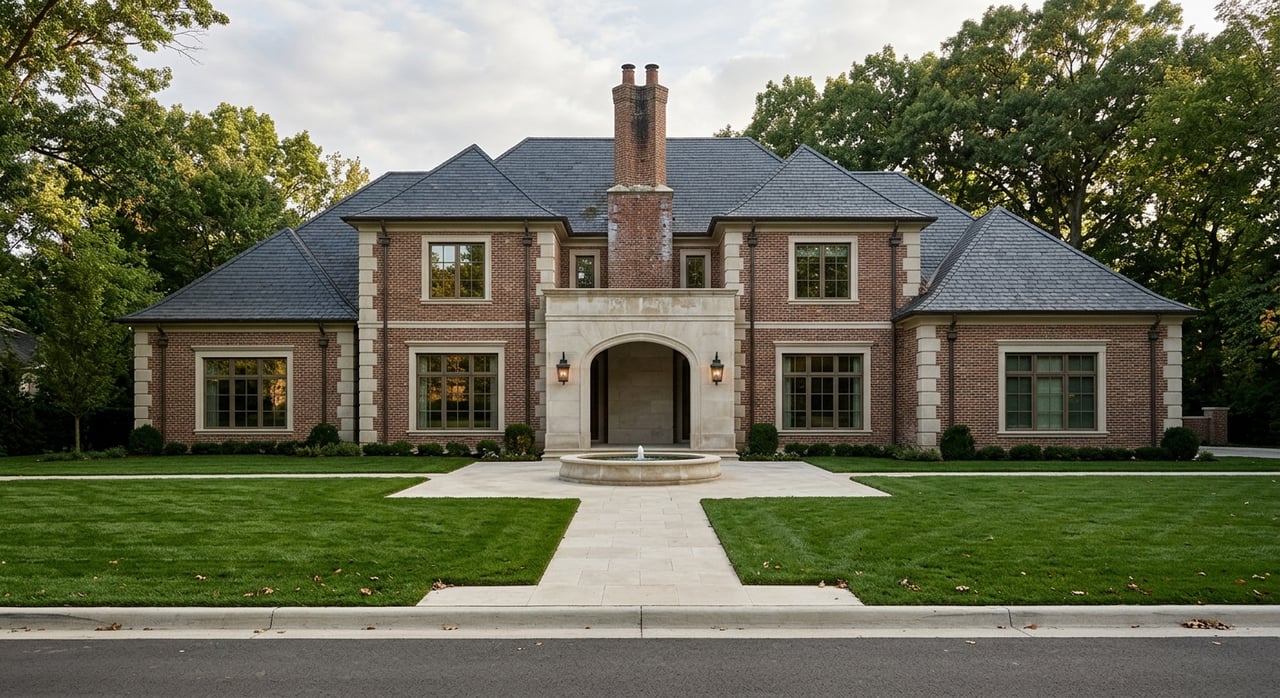
Wondering if Buckhead matches the lifestyle you want? That is a smart question, because Buckhead is not just one look or one pace of life. If you are considering a move, this guide will help you understand how Buckhead really feels day to day, from its neighborhood variety to its shopping, parks, and housing options. Let’s dive in.
Buckhead Feels Different by Pocket
One of the most important things to know about Buckhead is that it is a district made up of many distinct areas, not a single neighborhood. According to Buckhead Heritage’s boundary overview, Buckhead covers a broad section of north Atlanta and includes places such as Buckhead Village, Garden Hills, Lenox, North Buckhead, Peachtree Hills, Pine Hills, and South Tuxedo Park.
That means your daily experience can vary quite a bit depending on where you live. A home near the commercial core may feel more urban and fast-moving, while a home in one of the more residential pockets may feel quieter, greener, and more tucked away.
Daily Life Centers on Key Hubs
Buckhead offers a mix of convenience and lifestyle appeal, but much of it is concentrated in a few major nodes. If you like having dining, shopping, and errands close together, that is a big part of what draws people here.
Lenox Keeps Essentials Close
Lenox Square remains one of Buckhead’s best-known anchors. Its official site notes nearly 250 specialty stores, full-service restaurants, free parking, valet parking, MARTA bus service, and direct access to the Lenox MARTA station.
For you, that can translate to practical convenience. You may be able to handle shopping, meet a friend for lunch, and check off everyday errands in one area without crossing the district.
Phipps Adds an Upscale Option
Phipps Plaza brings a more luxury-focused retail and dining environment. The property highlights upscale shopping, dining, the Food Hall at Phipps, and The Green outdoor space.
If your version of a good weekend includes polished retail, restaurants, and a more elevated setting, this part of Buckhead may feel especially familiar and appealing.
Buckhead Village Feels More Walkable
Buckhead Village District stands out as one of the district’s more social and pedestrian-oriented areas. Its official site describes a vibrant village atmosphere and highlights recurring events, shopping strolls, live music, and active restaurant life.
This is often the part of Buckhead that feels most like a mixed-use urban district. If you want the option to walk between boutiques, restaurants, and public gathering spaces, this pocket may be the closest fit.
Getting Around in Buckhead
Buckhead has long been shaped by car travel, and that still affects everyday life. The Buckhead CID says the district continues to address the effects of rapid, primarily automobile-based growth through projects that improve traffic mobility, pedestrian conditions, and public transit access.
In practical terms, driving is still central for many residents. At the same time, current planning points to a more connected future, with investment in sidewalks, crossings, trails, and public spaces that support more ways to move through the area.
The district’s BUCKHEAD REdeFINED master plan also emphasizes a district-wide trail, mobility improvements around GA400, more housing variety, and parks and green space. That is helpful context if you are thinking not just about Buckhead today, but also where it is headed.
Parks and Green Space Are a Big Part of Life
For an area known for retail and business activity, Buckhead offers a surprisingly broad mix of outdoor spaces. If access to trails, trees, and recreation matters to you, this is an important part of the picture.
Chastain Is a Major Outdoor Anchor
Chastain Memorial Park is one of Buckhead’s defining amenities. The City of Atlanta lists it as a 268-acre regional park with recreation options that include golf, tennis, and sports fields.
For residents, that means Buckhead is not just about shopping and dining. You also have access to a large, established park that supports everything from active recreation to relaxed time outdoors.
PATH400 Supports Everyday Movement
PATH400 adds a different kind of outdoor access. The greenway describes itself as a 5.2-mile route through the heart of Buckhead that connects neighborhoods, offices, and retail while serving walkers, runners, cyclists, and others.
This makes outdoor time easier to work into your normal routine. Instead of treating recreation as a special trip, you may be able to use a trail connection as part of your daily rhythm.
Blue Heron Offers a Quieter Escape
If you want a more natural setting, Blue Heron Nature Preserve offers 30 acres of woodlands, wetlands, riparian areas, and meadows, along with the 3-mile Blueway Trail. Located in North Buckhead, it creates a more peaceful counterpoint to the district’s busier commercial areas.
That balance is part of Buckhead’s appeal. You can have access to activity and convenience while still finding places that feel calm and removed.
Residential Areas Often Feel Leafy and Established
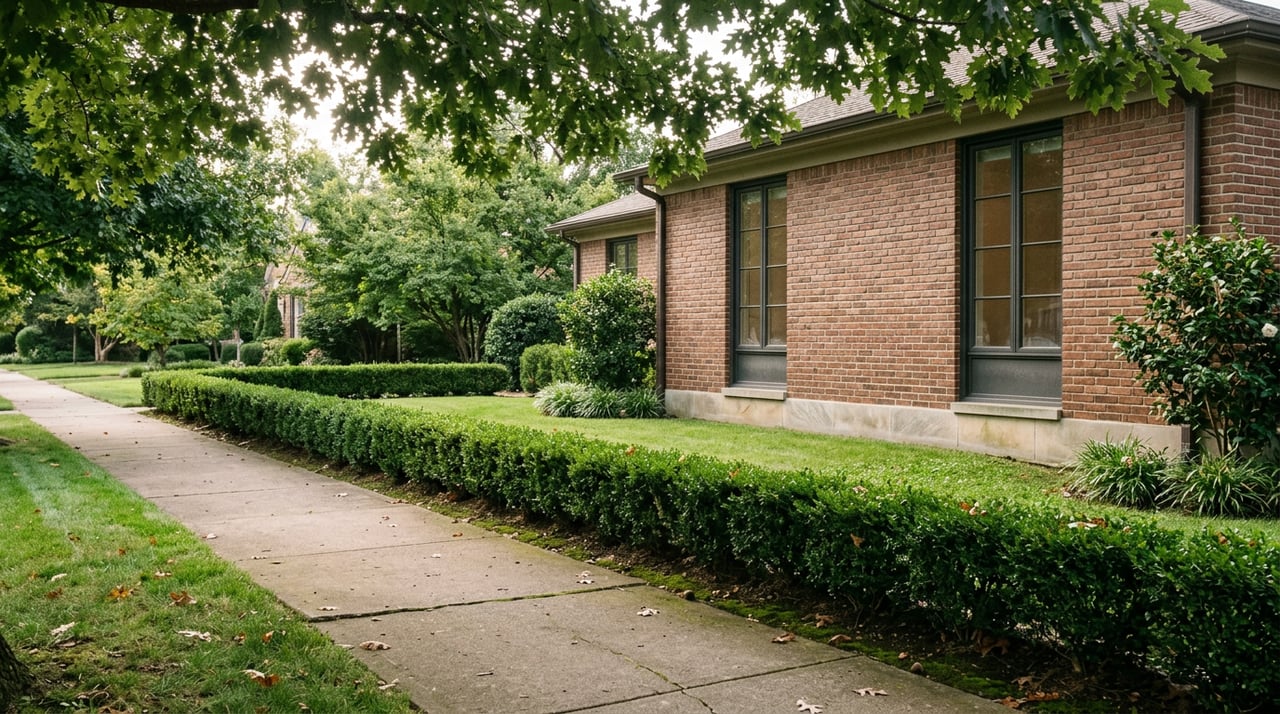
Many Buckhead neighborhoods have a strong sense of physical character. Mature trees, sidewalks in some pockets, and long-established streetscapes shape the experience in ways that are very different from the commercial center.
For example, Garden Hills describes itself as a large urban-forest neighborhood with winding streets, mature hardwoods, pocket parks, and a neighborhood pool and recreation center. That gives you a sense of how green and residential parts of Buckhead can feel.
Housing Styles Span Old and New
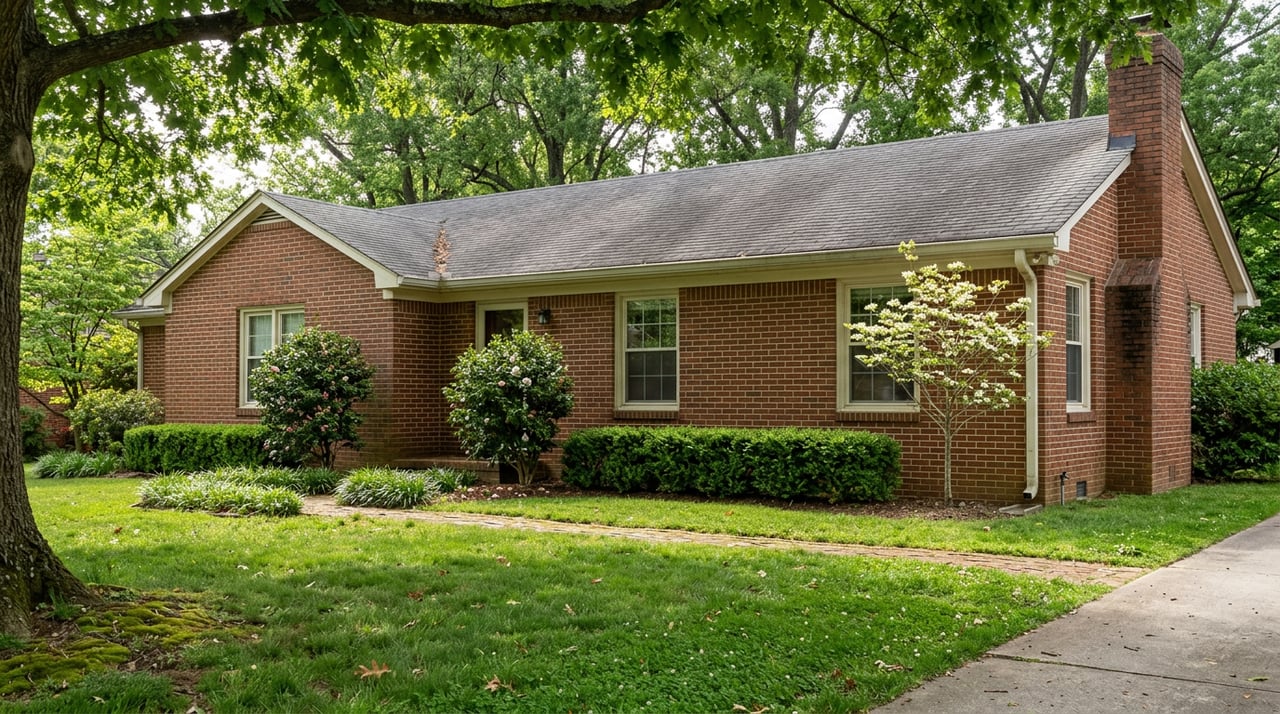
If you picture Buckhead as only estate homes, the reality is broader than that. One of the area’s strengths is that it offers a range of housing types, from historic cottages to classic homes to condos near the retail core.
Historic Character in Garden Hills
Garden Hills helps illustrate Buckhead’s older residential fabric. The neighborhood association says the area was developed in the 1920s and 1930s and includes Tudor, Colonial Revival, French Eclectic, and Spanish Mission homes, along with postwar ranches in some sections and more than 750 single-family homes.
If you appreciate architectural variety and established neighborhood character, this is one example of what Buckhead can offer.
Classic Homes in Peachtree Heights West
Peachtree Heights West reflects another side of Buckhead living. Its civic association describes wide sidewalks, architecturally significant homes, and a setting that feels secluded while still being close to downtown.
That combination appeals to buyers who want a residential setting with a classic feel and strong access to the rest of Atlanta.
Compact Historic Living in Buckhead Forest
Buckhead Forest offers a different residential pattern. Buckhead Heritage identifies it as a historic district with bungalows, English cottages, American Small Houses, ranch homes, and some mid-century apartment buildings in a park-like setting.
This helps show that Buckhead is not one-size-fits-all. Even among its residential pockets, the scale, housing stock, and streetscape can feel very different.
Landmark Estates Shape the Image
Buckhead’s reputation for grand homes also has real historic roots. Buckhead Heritage’s documentation of landmark homes highlights properties such as Villa Lamar, Swan House, the Albert E. Thornton House, and Spotswood Hall, all of which reinforce the area’s tradition of large lots and prominent architecture.
These estate pockets are part of Buckhead’s identity, but they are only one part of the full housing picture.
Core Living Includes Condos and Apartments
Near the commercial center, Buckhead becomes more vertical. The Buckhead CID’s SPI-12 overview describes a core area that includes two regional malls, high-rise office buildings, two MARTA stations, open public space, and zoning intended to encourage diverse housing options while protecting nearby single-family neighborhoods.
For you, that means Buckhead can also support a lower-maintenance lifestyle. If you are considering a condo or apartment near shopping, dining, and transit, that option is clearly part of the district.
What Living in Buckhead Often Means
In simple terms, living in Buckhead usually means access to well-known retail and dining, meaningful park space, and a broad housing mix. It can also mean choosing between a denser, more commercial setting and a quieter, more residential one.
That contrast is central to Buckhead’s appeal. Someone near Lenox, Phipps, or Buckhead Village may experience a more connected, active environment, while someone in Garden Hills, Peachtree Heights West, or Buckhead Forest may enjoy more trees, calmer streets, and a more neighborhood-oriented setting.
If you are thinking about a move to Buckhead, the real question is not just whether Buckhead fits you. It is which part of Buckhead fits you best. If you want local guidance on Buckhead’s many pockets, housing options, and lifestyle differences, connect with Dorsey Alston REALTORS®.
FAQs
What is Buckhead like for everyday living?
- Buckhead offers a mix of shopping, dining, parks, and varied housing, but everyday life depends heavily on which pocket you choose.
What types of homes are found in Buckhead?
- Buckhead includes historic cottages, classic single-family homes, estate properties, condos, apartments, and other housing near the commercial core.
What are the main shopping areas in Buckhead?
- Lenox Square, Phipps Plaza, and Buckhead Village District are three of the area’s major shopping and dining hubs.
Does Buckhead have parks and trails?
- Yes. Buckhead includes major outdoor amenities such as Chastain Memorial Park, PATH400, and Blue Heron Nature Preserve.
Is Buckhead more urban or more residential?
- It can be either, depending on the location. Some parts feel denser and more mixed-use, while others feel leafy, established, and more residential.
How do you choose the right part of Buckhead?
- Start by comparing your preferred pace of life, housing style, commute needs, and access to shopping or green space, since Buckhead varies widely from one pocket to another.