If you are looking for an intown lifestyle that feels both connected and comfortable, Decatur has a way of standing out. You get walkable streets, a well-known dining scene, visible arts programming, and neighborhood character that feels rooted rather than manufactured. For buyers exploring close-in Atlanta living, Decatur offers a helpful mix of daily convenience and local identity. Let’s take a closer look.
Why Decatur Feels Distinct
Decatur is one of the oldest cities in metro Atlanta and the first city in DeKalb County. The City of Decatur describes it as a compact, tree-lined city just east of Atlanta, with more than 60 miles of sidewalks packed into only 4.7 square miles.
That layout shapes everyday life in a real way. Instead of needing to drive for every errand or outing, you may find yourself walking to dinner, meeting friends for coffee, or heading to a park without much planning. For many buyers, that is a big part of Decatur’s appeal.
Downtown Decatur and The Square
The center of activity is Decatur Square, the historic heart of downtown. City materials describe it as a 15-block walkable district with more than 1.5 million square feet of commercial space and more than 45 restaurants.
That means the area offers more than a single main street with a few storefronts. It functions as a true neighborhood hub where dining, shopping, errands, and events all come together in one compact area. If you value a lifestyle where your surroundings feel active without feeling overwhelming, the Square is a big draw.
Beyond the Square, Decatur includes other neighborhood commercial areas that add to its in-town feel. Oakhurst Village is known for its collection of unique restaurants and retailers, while East Decatur Station adds another local node with small gourmet restaurants, pizza, pubs, and newer mixed-use residential spaces.
Decatur Dining Has Range
Dining is one of the clearest ways Decatur expresses its personality. Local visitor resources highlight options that cover brunch, lunch, drinks, dinner, and dessert, with well-known spots on and around the Square such as Brush Sushi Izakaya, Iberian Pig, No. 246, White Bull, and Brick Store Pub.
The Old Depot District adds another layer to the food scene. There, restaurants like Kimball House, Twain’s, and D92 Korean Barbecue bring more variety to the downtown experience while keeping the same walkable, historic setting.
For buyers, this matters because dining is not just a weekend amenity here. It is woven into the rhythm of everyday life. Whether you want a quick meal, a relaxed patio evening, or a place to meet friends without leaving the neighborhood, Decatur offers unusual depth for a city of its size.
Arts and Music Are Part of Daily Life
Decatur’s cultural life is visible year-round. Visit Decatur notes that live music is not limited to special events, with Eddie’s Attic serving as a signature venue and other performances showing up in restaurants, breweries, public spaces, and recurring local programs.
That gives the city a lived-in creative energy. You may hear live Irish music at The Marlay House, find nightly piano at Parker’s on Ponce, or come across spoken-word and music nights at Cereal Lab. In other words, music here feels like part of the weekly routine rather than an occasional attraction.
The visual arts are also unusually present. The Decatur Arts Alliance supports public art, exhibitions, and community events throughout the year, including projects such as the Decatur Artway, Secret Doors Decatur, the Decatur Box Project, and #LookUpDecatur.
One important note for 2026 is that the Decatur Arts Festival is pausing while downtown square renovations are underway, with plans to return in 2027. Even so, the larger arts and events calendar remains active, including celebrations tied to Lunar New Year, July 4, Porchfest, Salsa on the Square, the Pan African Festival, books, barbecue, oysters, and the Decatur Wine Festival.
Walkability and Transit Add Real Convenience
Lifestyle is one thing. Daily logistics are another. Decatur offers both.
The city notes that there are three MARTA rapid-transit stations within city limits, including one in the heart of downtown. MARTA also states that Decatur Station sits on the Blue Line below the public square, with dining, pubs, and shopping just outside.
For buyers who want access to Atlanta without giving up neighborhood charm, this is a meaningful advantage. It can support commuting, reduce car dependence for some trips, and make it easier to enjoy the city in a more flexible way.
Walkability also extends beyond downtown. According to the city, neighborhood commercial districts sit near newer residential development as well as many historic single-family neighborhoods. That pattern helps create a daily routine that can feel more connected and less car-centered than in many suburban markets.
Parks Keep Decatur Green
Decatur’s in-town identity does not come at the expense of green space. The City of Decatur says it has nearly 200 acres of parkland and greenspace, along with four aquatic features and nine tennis courts.
Legacy Park stands out as the city’s newest and largest park at 77 acres. Visit Decatur describes it as a mix of forest, wetlands, meadows, a pond, athletic fields, historic buildings, an orchard, and an inclusive playground.
Smaller neighborhood parks also help define the local feel. Glenlake Park includes a nature and walking trail, Scott Park offers open green space with ADA features and lighted tennis and pickleball courts, and Sycamore Park adds another neighborhood option in a historic residential setting.
For buyers, these parks help explain why Decatur can feel urban and relaxed at the same time. You are close to activity, but still have access to outdoor space that supports everyday routines.
Housing Style Reflects Decatur’s History
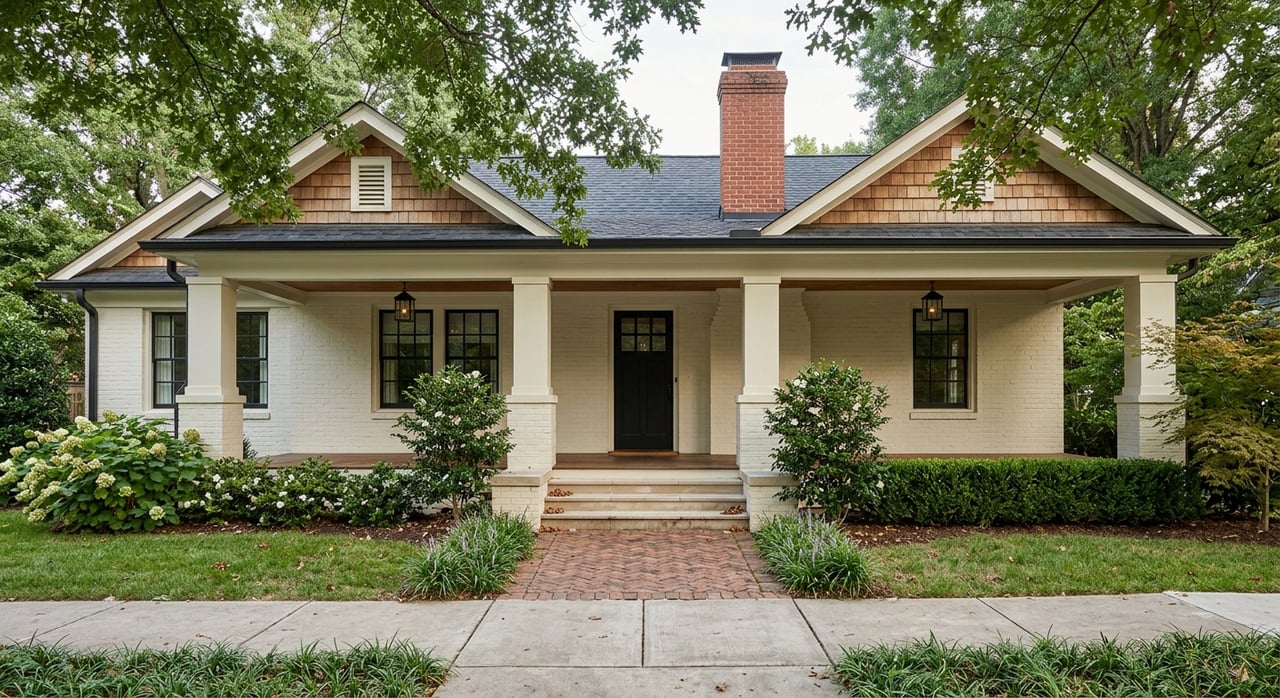
Part of Decatur’s charm comes from the character of its housing stock. The city says much of Decatur was built out in the 1920s with Craftsman bungalows, and many early-1900s homes still remain across the city.
Later decades added another layer. Development from the 1940s through the 1960s introduced more ranch-style homes, which means buyers can see a wider architectural mix than they might expect in a relatively compact city.
Historic preservation is also a defining factor. Decatur has five local historic districts, including MAK, Clairemont Avenue, Ponce de Leon Court, Parkwood, and Old Decatur, along with two historic landmarks protected by local preservation guidelines.
That context matters if you are comparing homes across different parts of Decatur. Some properties reflect classic historic character, while others come from later periods or sit near mixed-use areas and neighborhood commercial nodes. The result is a housing landscape with real variation, even within a small geographic area.
Understanding Decatur Home Prices
When you research Decatur real estate, one of the first things to know is that not every data source defines Decatur the same way. That can make headline pricing look inconsistent if you are not comparing the same boundaries.
For example, Redfin’s City of Decatur market page reports a median sale price of about $702,000 for the latest three months ending April 2026, with homes selling in about 41 days. Realtor.com’s broader Decatur market page shows a median listing price of $299,900, with neighborhood listing medians ranging from roughly $233,500 in Clairmont Heights to $875,000 in Oakhurst.
Those numbers should not be treated as direct apples-to-apples comparisons. A better way to think about Decatur is that its price range is broad, shaped by different boundaries, housing types, neighborhood character, and demand patterns.
For buyers, that means local guidance matters. Understanding whether a home sits within the City of Decatur proper or in a broader Decatur mailing area can change how you interpret pricing, inventory, and overall value.
Why Buyers Continue to Look at Decatur
Decatur appeals to buyers for practical reasons and lifestyle reasons at the same time. You have a walkable downtown, multiple MARTA stations, established parks, and a dining and arts scene that feels active throughout the year.
You also have housing with genuine architectural character, from early bungalows to later ranch homes, plus neighborhoods that each bring a slightly different rhythm. That gives buyers more than a single version of intown living.
For those relocating to Atlanta or moving within the metro area, Decatur often stands out because it offers a strong sense of place. It feels connected to the city, but it also feels like a community with its own pace and identity.
If you are considering Decatur, it helps to look beyond broad labels and spend time understanding the city block by block. That is often where the real appeal becomes clear.
When you are ready to explore Decatur with local perspective and thoughtful guidance, Dorsey Alston REALTORS® can help you navigate the neighborhood, the housing options, and the details that matter most to your move.
FAQs
What makes Decatur different from other intown areas near Atlanta?
- Decatur stands out for its compact layout, more than 60 miles of sidewalks within 4.7 square miles, a walkable downtown square, three MARTA stations within city limits, and a strong mix of dining, arts, parks, and historic housing character.
What is Decatur Square like for daily living?
- Decatur Square is a 15-block walkable district with more than 1.5 million square feet of commercial space and more than 45 restaurants, making it a central hub for dining, shopping, errands, and local events.
What is the Decatur arts scene like in 2026?
- Decatur still has a full arts and events calendar in 2026, although the Decatur Arts Festival is taking a temporary pause during downtown square renovations and is expected to return in 2027.
How convenient is MARTA access in Decatur?
- MARTA access is a major practical advantage in Decatur, with three rapid-transit stations within city limits, including Decatur Station on the Blue Line located below the public square.
What kinds of homes are common in Decatur?
- Decatur includes many early-1900s homes and 1920s Craftsman bungalows, along with ranch-style homes built from the 1940s through the 1960s, creating a varied housing mix in a relatively small city.
Why do Decatur home prices look so different across websites?
- Pricing can vary because some platforms report on the City of Decatur proper while others use broader Decatur boundaries, so buyers should be careful to compare market data based on the same geography.